
Still searching for the right place?
Use Map AI to explore, compare, and find the best fit - all with detailed insights and smart reports on any neighborhood.

Why neighborhood demographic matters when choosing a place to live?


March 5, 2025

2 min to read
Before choosing a neighborhood, check its median age, age distribution, median income, education, nationality and family status. Together these show the community's lifestyle, safety and long-term potential better than square footage or the listing alone.
For families, demographics point to school quality and family-friendly amenities. Neighborhoods with many young families often have good schools and parks, while areas dominated by young professionals tend to offer nightlife and cafes instead.
Yes. Demographics often correlate with crime rates: areas with established, long-term residents may have lower crime rates than areas with more transient populations. Income levels and economic stability also matter, since higher-income areas typically have better infrastructure and services.
Map AI shows neighborhood demographics on an interactive map with customizable filters, including age distribution, population density by county and zip code, median household income and family structures, so you can compare neighborhoods before you move.
Just for you
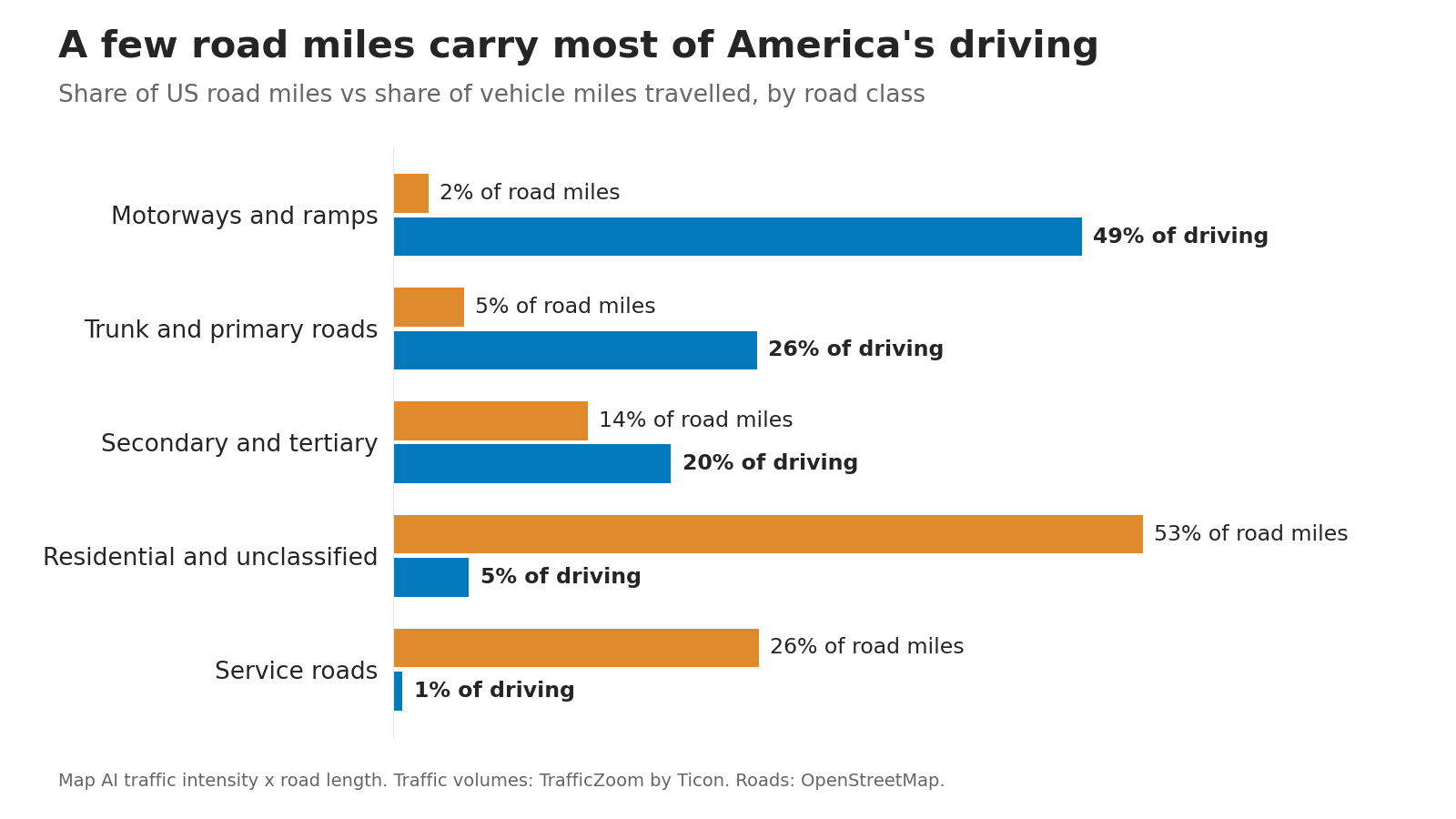
How Map AI Measures Traffic: AADT, Traffic Intensity and VMT Explained
What traffic data Map AI has, where it comes from, and the exact formulas behind traffic intensity and vehicle miles travelled.
Read more

Still searching for the right place?
Use Map AI to explore, compare, and find the best fit - all with detailed insights and smart reports on any neighborhood.


